
A GPS tracker for the elderly can be a useful solution for families who want to support the independence of a loved one and have an easy way to check their location in coordinated situations.
It should not be considered as a permanent monitoring tool. Conversation, senior consent, and a clear definition of when the family will use the location are the most important.
The device can enhance the sense of calm when walking, traveling, going out on your own in the city, or using public transport. However, it does not replace a phone, medical assistance, or emergency number.
When does an older locator make sense?
The locator can be useful when an elderly person:
- often walks on his own,
- travels by public transport,
- visits a police station or family,
- wants to have extra security in your bag,
- sometimes it's hard for him to find his way.,
- he wants to be able to share the location with a loved one,
- he carries a bag with documents or keys.
It is worth emphasizing that the decision should support the freedom of older people, and not restrict it. It's good when an elderly person is involved in choosing a device and understands how it works.
How does location verification work in the app?
The method of operation depends on the type of locator.
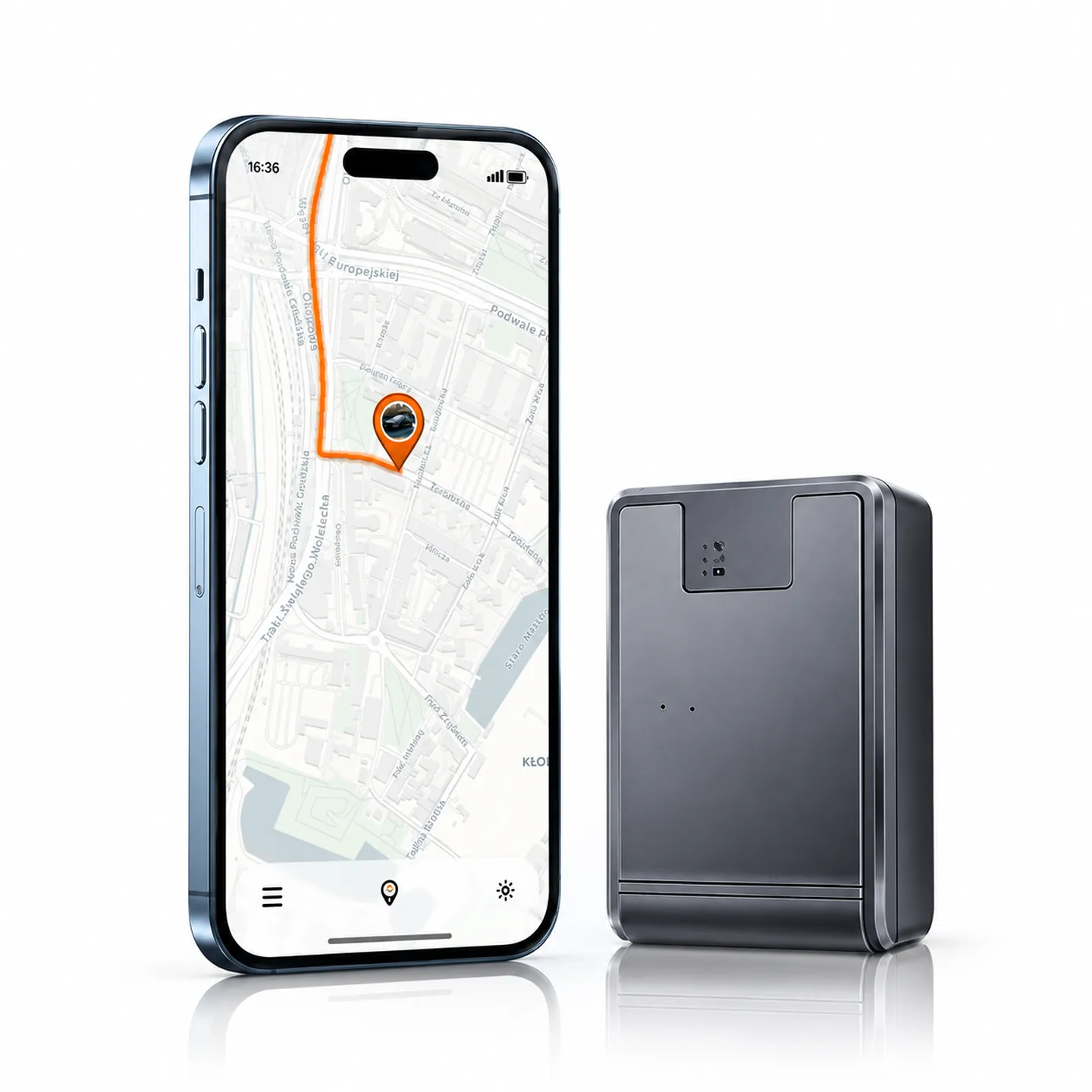
The full GPS tracker captures the position using satellites, and then transmits it to the app via the mobile network. It can offer your current position, last location, alerts, and traffic history.
The Bluetooth smart tag works differently. This can help you find your bag, keys, or wallet. When it is further away, the position update depends on the devices participating in the compatible network.
To secure your keys or bag, you can use mini lokalizator smart StealthTrack™. However, this is not a specialized medical device or locator with an alarm button.
Does the locator have to be complex?
No. For older people, simplicity is usually more important than a large number of functions.
A good solution should offer:
- readable app,
- simple battery status information,
- ability to grant access to one or more trusted persons,
- easy charging or battery replacement,
- stable performance,
- comfortable to wear.
If the app is managed by a family member, the older one doesn't need to maintain multiple settings every day. However, it needs to know where the device is located, what it is used for, and who can check its position.
You should practice before using it for the first time:
- enabling the device,
- checking the battery level,
- make a phone call to a loved one,
- situations when the locator stays at home,
- how to respond to missing updates.
Which model should I choose for an elderly person?
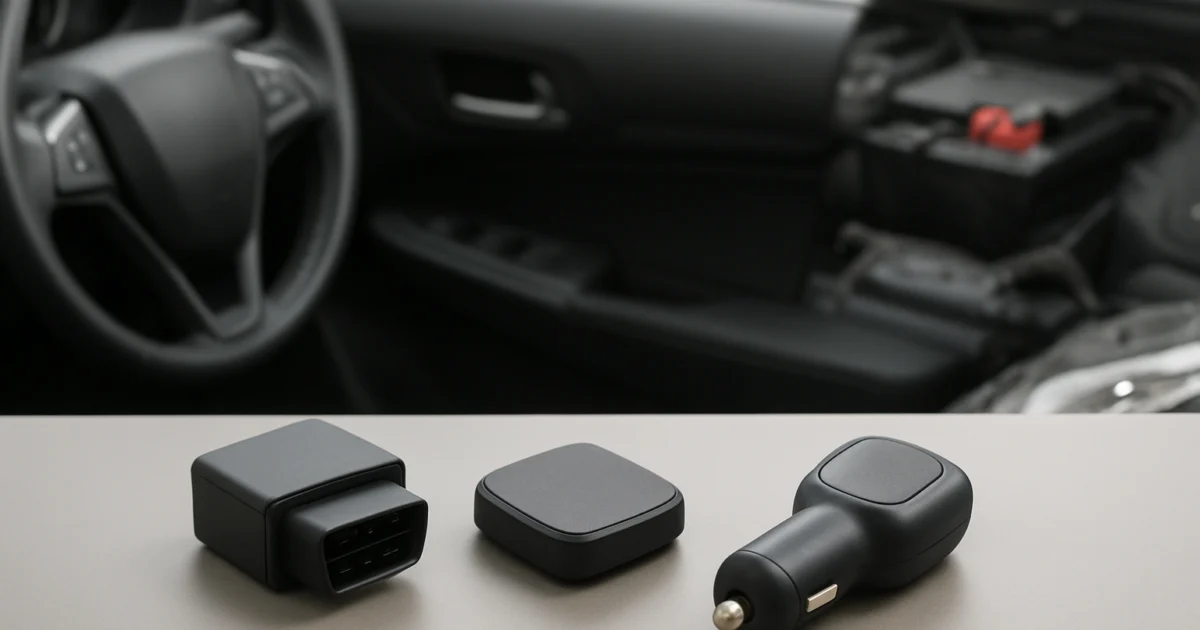
Not every locator available in a car store is suitable for human wear. A large magnetic locator can work well with a vehicle or luggage, but it can be too heavy for everyday carrying in your pocket.
When choosing, you should be guided by the application.
For your keys, wallet, or bag
A small smart tag will be light and simple. This can help you find an item in your home or check its last position.
For an older car
If the goal is to protect your car, it is better to choose a device from the category car locators.
For regular search of a person
In this case, it is best to look for a special personal device that is light, easy to charge and possibly equipped with an SOS function. Locator24's current offering is mainly focused on vehicles, belongings, luggage, and pets, so you should consider making a purchase first. contact the store and accurately describe the intended use.
What should I pay attention to in this application?
Consent and confidentiality
Location refers to the privacy of a particular person. The senior must know that the device is being used, who has access to the data, and in what situations the location will be checked.
False sense of security
A lack of updates doesn't necessarily mean a problem. This may be caused by a low battery, lack of coverage, leaving the device at home, or a temporary transmission delay.
Regular charging
A device without power will not perform its function. You should set a simple download schedule and enable reminders.
Convenience
The locator must be worn regularly. A device that is too heavy or inconvenient is most often left at home.
Lack of medical functions
Standard GPS does not automatically detect all emergencies and does not replace the care system, phone contact, or medical devices.
How do I talk to an elderly person about the locator?
It is best to present the device as an additional support, similar to a phone or saved contact numbers.
Instead of talking about control, you should focus on the practical benefits.:
- easier to find a bag,
- more peace of mind when walking further,
- help on an unknown route,
- ability to provide faster support,
- maintaining greater independence.
A decision made jointly has a better chance of working in practice.
Resume
A GPS tracker for the elderly can boost self-confidence and give the family more peace of mind. It should be simple, lightweight, and used according to clearly agreed rules.
For keys or bags, you can use mini lokalizator smart StealthTrack™. If you need to regularly determine the location of a person, you should choose the device intended for this use and consult its functions in advance.